Balers
Baler Knotter Maintenance: Common Failures and Prevention
Why won’t the baler tie, or why does the twine keep breaking? The common causes of knotter failure, from the wrong twine and tension to worn billhooks and knives, and how to prevent them.
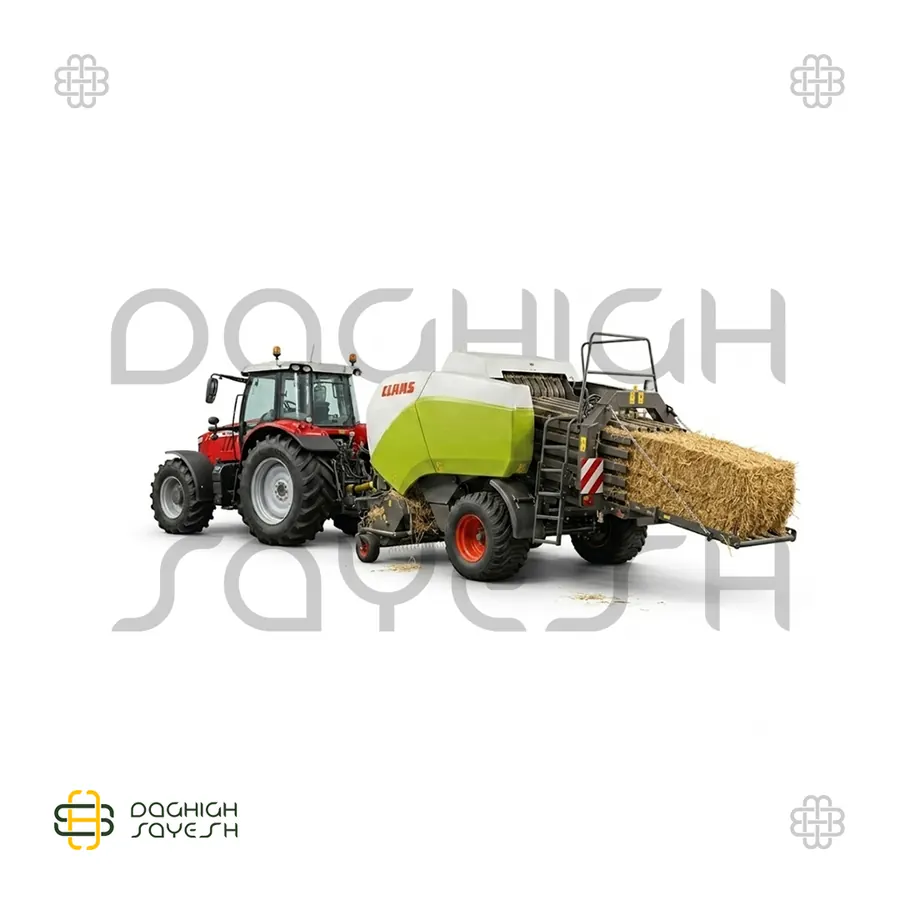
The knotter is the most delicate part of a baler: a small set of precise parts that must wrap twine around the bale, tie a knot and cut it in a fraction of a second. When the knotter misbehaves, bales burst, time is lost and forage is wasted. The good news is that most knotter failures have recurring, preventable causes.
Common symptoms
- No knot is tied: twine wraps the bale but there’s no knot.
- Knot stays on the billhook: the knot forms but won’t strip off, and the twine breaks.
- Twine breaks before tying: usually excess tension or a sharp edge in the twine path.
- Long or ragged twine tails: usually the twine knife or the twine holder.
Twine: the cheapest part with the biggest effect
A large share of knotter problems start with twine. Twine with uneven thickness, too little strength, or that doesn’t match the baler manufacturer’s recommended spec will cause misses even on a healthy knotter. Store twine somewhere dry and out of direct sunlight, and tie balls together as the manual describes.
Twine tension
Set twine tension to the manual. Too little causes loose knots or missed pickups; too much snaps the twine before it ties. Check tension at both points: the twine box tensioner and the twine holder.
Billhook, holder and knife
- Billhook: the billhook and its tongue should be free of roughness, wear or sharp edges. A worn billhook won’t release the knot.
- Twine holder disc: the disc must grip the twine firmly until the knot is complete. Worn notches let it slip.
- Twine knife: a dull knife drags the twine instead of cutting it, and fails to strip the knot off the billhook.
These are wear parts, and replacing them on time costs far less than a day lost at harvest.
Cleanliness and lubrication
Dust and chaff gradually build up in the knotter and slow its moving parts. Blow the knotter out with compressed air regularly during the season. Lubricate exactly as the manual specifies: don’t miss the grease points, and don’t over-oil surfaces meant to run dry, since excess oil attracts dust.
Timing
If everything above checks out and the problem persists, the knotter’s timing relative to the needles or plunger may be off — especially after a shear bolt has broken. Reset timing from the manual or with an experienced mechanic.
A knotter that is clean, correctly adjusted and running on sound parts delivers tight, consistent bales. If you need a part for your baler’s knotter, send us the baler model.