Forage
Hay Bale Quality: Moisture, Density and Baler Settings
How to make tight, consistent, sound hay bales. The role of moisture at baling, setting baler density, even windrows, and storing bales correctly.
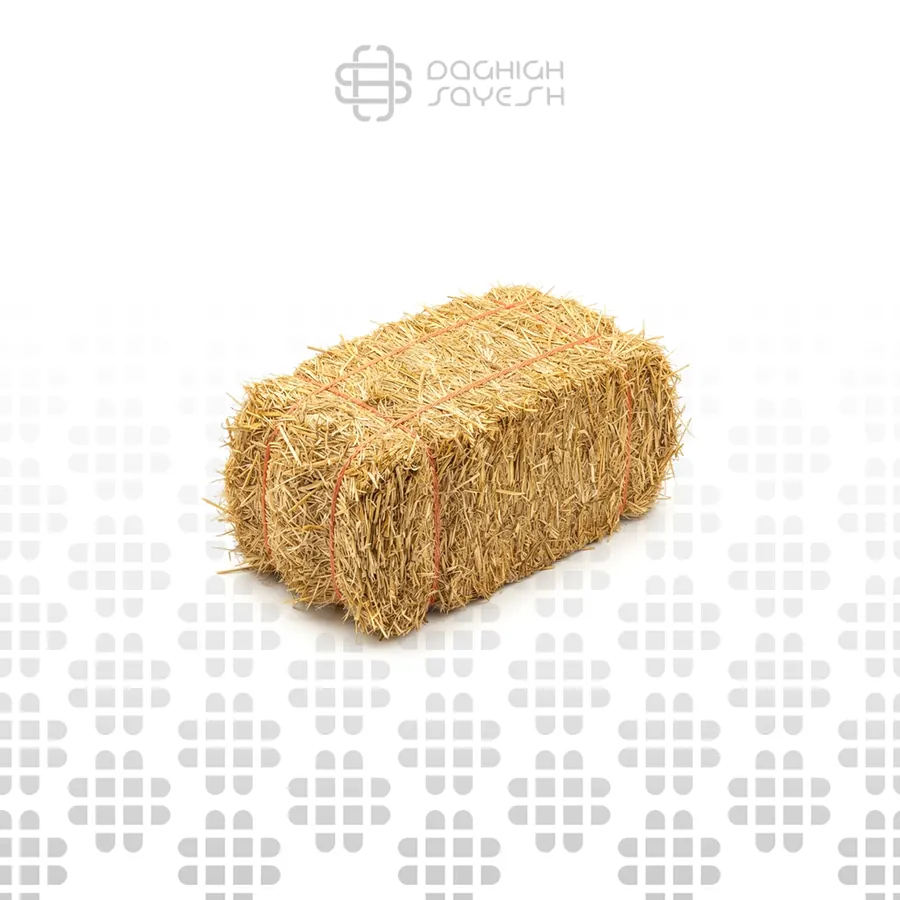
A good bale preserves the crop’s feed value and is easy to handle and store. Bale quality comes down to three things: forage moisture at the moment of baling, correct baler settings, and how the bales are stored afterwards.
Moisture: the biggest factor
Hay baled too wet heats in storage, moulds and loses feed value. In severe cases heating bales can even lead to spontaneous combustion of the stack. On the other hand, hay that is too dry — especially alfalfa — sheds its leaves during baling, and the leaves are the most nutritious part of the plant.
As a general rule, the larger and denser the bale, the drier the hay needs to be, because moisture escapes a big bale more slowly. The right moisture range depends on the forage, the bale size and the climate; ask your local agricultural extension adviser or check the baler manual, and measure with a hay moisture meter rather than guessing.
When to bale
With alfalfa and other leafy forages, baling in the cooler, slightly damp hours of morning or evening reduces leaf loss. Just don’t mistake surface dew for moisture inside the stems.
Even windrows, even bales
A baler only works as well as the windrow it’s fed. An even windrow of the right width for the pickup gives well-shaped bales of consistent density. Uneven windrows produce banana-shaped or lopsided bales.
Baler settings
- Density: set density for the forage and its moisture. Too much density on damp hay makes heating worse.
- Ground speed: match speed to windrow volume so the baler is fed evenly.
- Pickup height: the pickup should gather the crop cleanly without feeding soil and stones into the baler.
- Knotter: a badly tied bale bursts when handled. Take knotter maintenance seriously.
Storing bales
- Don’t stack bales on damp ground; use pallets or a well-drained base.
- Leave gaps between rows for airflow.
- Protect outdoor bales from rain with a suitable cover.
- Check bale temperature regularly in the first weeks after storage.
Quality forage starts in the field and is kept in the barn. If you need parts for your baler or forage equipment, get in touch.